
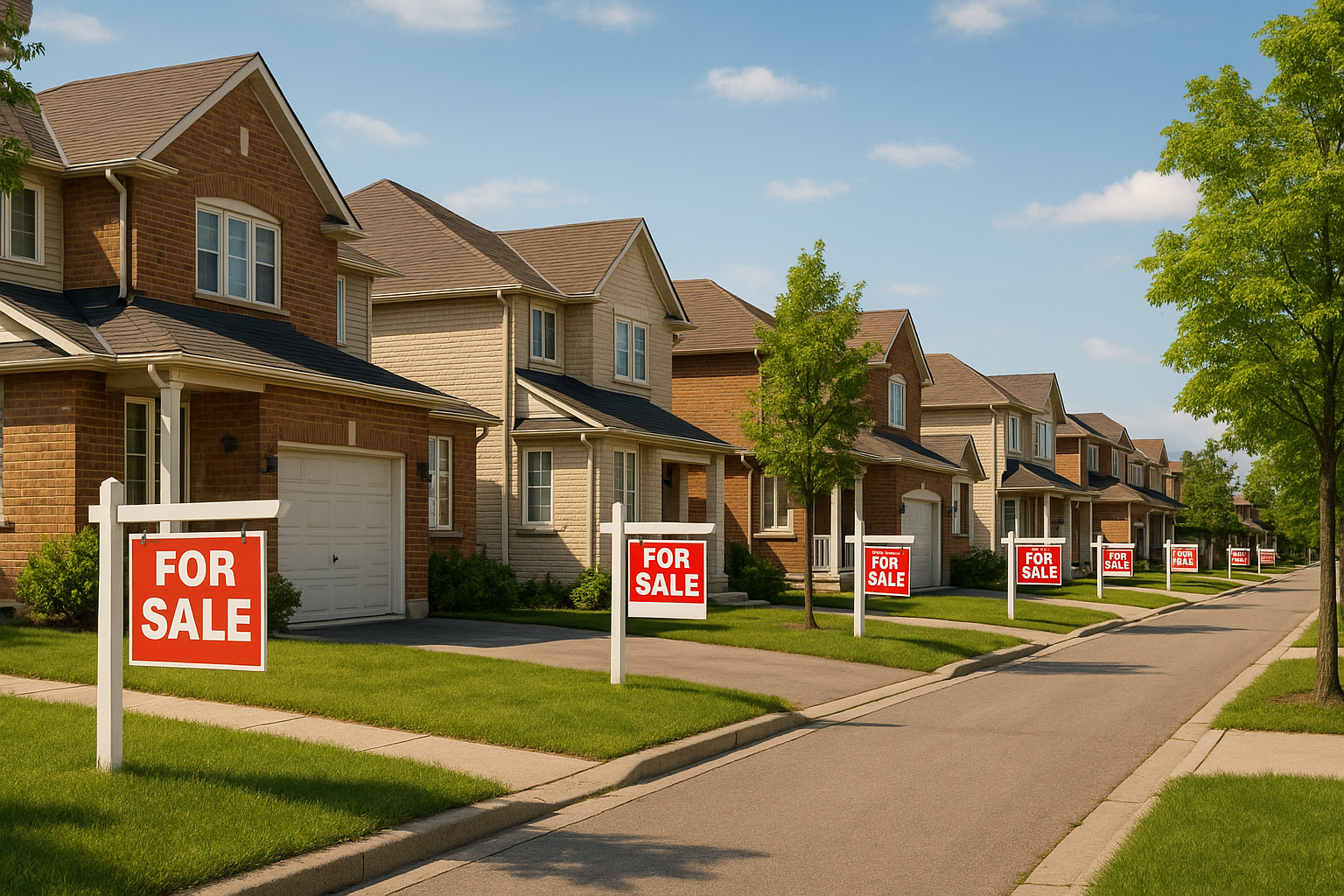
If you have noticed more for sale signs in Brampton lately, you are not imagining things. Families are leaving, and they’re doing it for reasons that might sound familiar. In this article, I break down why families are leaving Brampton, what’s really driving this trend, and what it could mean for your next move.
The Pressure Building in Brampton Real Estate
Brampton’s population continues to grow, but the challenges for residents are adding up quickly. The average home price in Brampton sits around $942,735 as of late 2025, and detached homes now approach $1.1 million. Many families find themselves stuck in smaller homes or in multigenerational arrangements, unable to upgrade without taking on enormous new debt. Even with strong incomes, people feel their money stretches further outside Brampton.
The numbers are clear. Over 1,000 new homes hit the market in just a month as more people decide to move out and start fresh elsewhere. For many living in Brampton, the dream of owning a larger home with a backyard now feels impossible. Townhouses that once offered a foot in the door don’t provide a path to a detached home anymore. With each mortgage renewal, higher rates and stagnant wages make staying put even harder.
Brampton’s Infrastructure and Daily Life Struggles
It is not just about expensive homes. Brampton’s infrastructure hasn’t kept pace with the growing population. Commute times through bottlenecks like Queen Street, Mayfield, and Highway 410 can easily stretch to 30 or 40 minutes just to get out of the city. Construction seems never-ending, and gridlock is now the norm.
Public services are under pressure as well. Brampton Civic Hospital regularly reports long wait times, especially during busy periods. City systems built for a smaller Brampton can’t keep up, making daily life more stressful for nearly 800,000 residents.
On top of that, Brampton drivers face some of the highest car insurance premiums in the country, ranging from $3,300 to $3,800 per year. Factor in property taxes, rising grocery bills, utilities, and gas and the financial squeeze feels never-ending. For many households—especially those with kids—this strain pushes them to look elsewhere.
Why Families Are Leaving Brampton: What’s Next?
So where are families heading? The answer depends on what they’re looking for. Hamilton has become a top choice, where the average home price is around $753,000—far below Brampton’s numbers. Many families find they can trade their Brampton townhouse for a detached home in Hamilton, with extra space and a shorter commute for those who work in downtown areas. Burlington is another option, especially for those attracted by its lakeside setting and quieter neighbourhoods, though the move can come at a higher price point.
Kitchener and Waterloo are also drawing buyers. These cities have grown into tech and university hubs, boasting strong job markets alongside detached homes often similar in price or cheaper than Brampton’s semis. This move gives families a chance to reset without leaving southern Ontario.
Some are choosing Durham Region cities like Oshawa, where the average home price is about $730,000—about $200,000 less than in Brampton. Improved GO Transit and easier access to Highway 407 have made commutes from these areas more manageable for families looking to stretch their housing dollars. And a small but growing number push even further, toward places like Thunder Bay or Sault Ste. Marie, chasing affordability and room to breathe, with detached homes well under $400,000.
If you’re wondering how these shifts are affecting the wider market, take a look at GTA Suburbs Home Price Drops: 8 Areas Where Values Have Collapsed for a closer look at price changes across the region.
Q&A: Brampton Real Estate and Moving Options
Are Brampton home prices likely to fall?
While active listings have surged and buyer demand is softening, Brampton’s home prices have held up compared to some other GTA suburbs. Supply outpacing demand could put more pressure on prices in the months ahead, but the correction has been gradual so far. It’s important to watch local market data closely.
Is selling now the right move?
The answer depends on your situation. If you feel stretched and have somewhere more affordable to go—like Hamilton or Kitchener—the math can make sense. Getting a home valuation is the best first step. You can get your home value in Brampton before deciding.
What does affordability look like in other cities?
Hamilton, Kitchener, and Oshawa offer detached homes well below Brampton prices. If you are flexible on location, you can often upgrade in size, pay less each month, and enjoy shorter waits for public services. Even nearby spots like Burlington or Waterloo attract those who want a mix of urban amenities and lifestyle upgrades.
What the Brampton Exodus Means for You
This wave of moves out of Brampton is not just about frustration; it’s a rational choice. Families are seeking a better quality of life, more space, and lower expenses. Unless there are changes to housing supply or infrastructure, this trend is unlikely to reverse soon.
Ontario’s government has recently announced a new housing plan promising support for first-time buyers, but the impact remains to be seen. For details on those upcoming policies and potential risks, check out Ontario Home Buyer Rebate GTA: What You Need to Know.
Whether you’re considering moving out or just trying to make sense of the Brampton market, you have options. If you want to talk through what’s possible—buying, selling, or relocating from Brampton or anywhere in the GTA—Brampton real estate guide is a good place to start. Or, book a call and let’s go over the best steps for your situation.
I work with buyers and sellers in Brampton and across the GTA. If you’re thinking about your next move, taking an honest look at the numbers can make all the difference.
Key topics: why families are leaving brampton, brampton real estate, gta real estate, housing affordability, moving out of brampton, market trends, commuter cities