
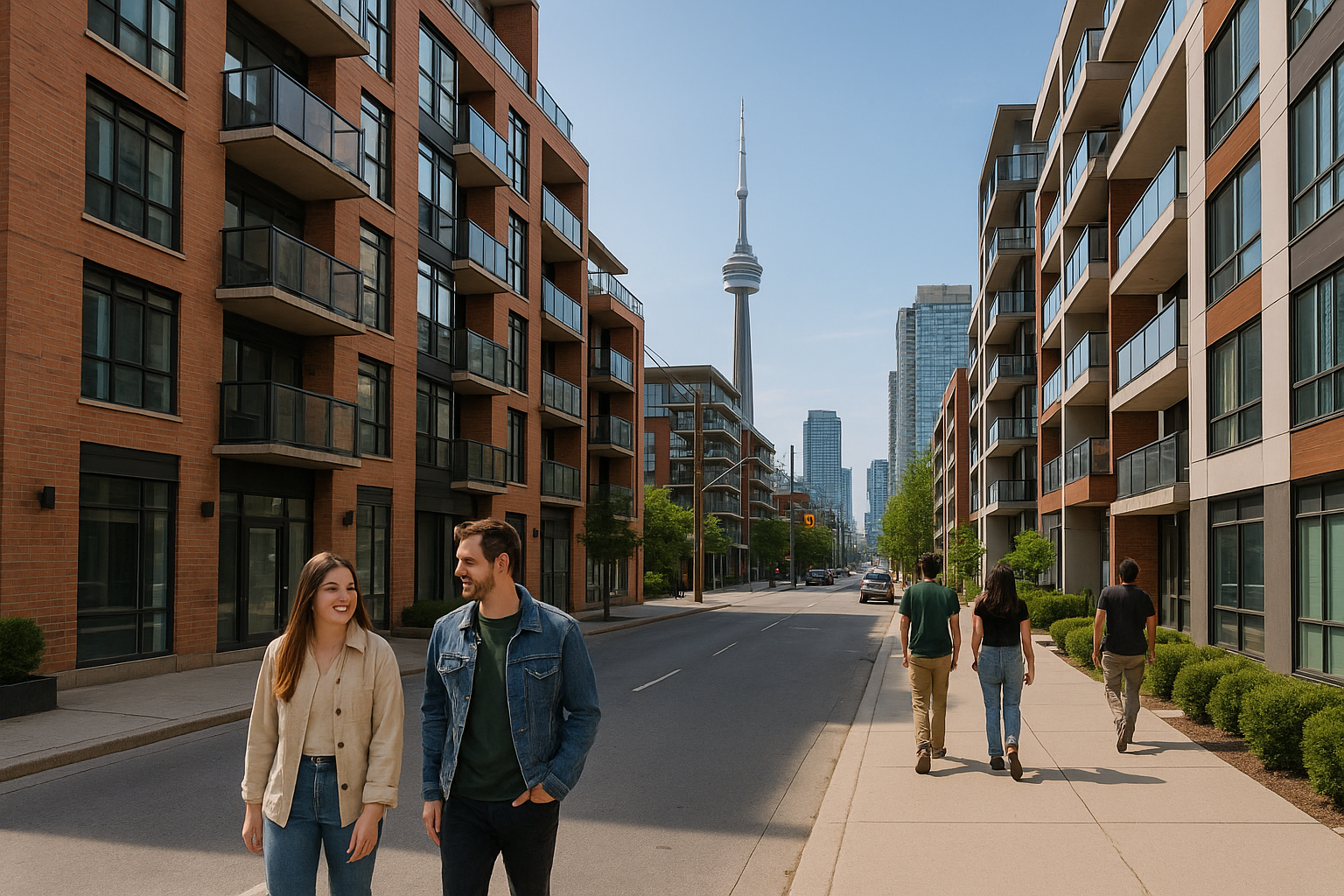
Buying your first home in Toronto can feel out of reach. With prices rising and tough mortgage rules, most first time home buyers in Toronto start to wonder if they’ll ever get the keys. But with the right plan, it’s possible to take that first step—and you don’t have to rely on family wealth or luck.
Why Does It Feel Impossible to Buy a Home in Toronto?
Starter condos in Toronto often top $650,000. Interest rates have risen, and even a small one-bedroom can leave buyers feeling priced out. But making a decision with this much money on the line means you need a strategy—guesswork leads to costly mistakes.
The good news is that Toronto real estate isn’t only for investors or the ultra-wealthy. There are programs, rebates, and lesser-known mortgage options that can make the numbers work.
Hidden Programs Most First Time Toronto Buyers Miss
The average buyer has heard of RRSPs and saving for a down payment, but few know all the pieces that can move the goalposts. Here are the steps one Toronto couple, Mera and Jay, used to get their first place:
- First Home Savings Account (FHSA): Both Mera and Jay put $8,000 each into FHSAs. That saved them $2,400 in tax refunds for the year.
- Home Buyers’ Plan: Each withdrew up to $60,000 from their RRSPs using the federally backed Home Buyers’ Plan. This is borrowed from themselves, tax-free, as long as they repay on schedule.
- Land Transfer Tax Rebates: Toronto buyers can claim both the Ontario and City of Toronto land transfer tax rebates. Together, that’s up to $8,475 in savings right up front.
Altogether, these steps meant Mera and Jay had $136,875 available for their purchase—enough for a 20% down payment and to avoid mortgage insurance. Skipping insurance alone saved them about $1,800 per year on their mortgage rate.
Many first time buyers only claim some of these perks. Stacking them is what makes home ownership possible. For a full explanation of how Ontario’s rebates work, see Ontario Home Buyer Rebate GTA: What You Need to Know.
Best Mortgage Features for First Time Home Buyers in Toronto
Beyond your down payment, the way you set up your mortgage can make a big difference in your monthly budget. Here are a few features worth asking about:
- Variable Rate, Fixed Payment: Some lenders let you keep the same payment, even if rates move. If rates drop, more of your payment goes toward your principal.
- 30-Year Amortization on New Builds: New condos in Toronto can often be financed over 30 years instead of 25, lowering payments by $300 a month on a $650,000 property. You can still pay it off faster if you choose.
- Skip-a-Payment Options: A few lenders let you skip one payment per year without penalties—a useful emergency backup.
For those eyeing new builds, the incentives go further. Ontario’s HST rebate on new homes can return up to $24,000. Assignment sales also let you purchase pre-construction condos from another buyer, sometimes for less than resale homes. Just ensure the builder allows the assignment, or the deal may not go through. You can find official program details on the HST rebate from the Ontario government.
First Time Home Buyer Toronto: Who Approves You When the Bank Says No?
Banks aren’t the only option for Toronto buyers. Alternatives like credit unions (Meridian, Duca, Alterna) often offer flexible rules—especially if you have a strong down payment. For self-employed buyers, “B lenders” might base approval on deposits, not just T4s. The rates are sometimes higher, but these options widen the door if you’re otherwise qualified.
Newcomers to Canada can also buy in Toronto with as little as 10% down, if they have a year’s banking history—even before building Canadian credit.
Common Questions: First Time Home Buyer Toronto
- Q: Can I lock in a rate before I’m ready to buy?
A: Yes. Lenders can hold a quoted rate for up to 120 days. This protects you against a surprise hike and doesn’t commit you to a purchase. - Q: What if I want to break my current mortgage?
A: Mortgage penalty rules vary among lenders. Big banks tend to charge higher penalties; some smaller lenders are more flexible. Compare before making the jump. - Q: Should I roll my high-interest debt into my mortgage?
A: If you’re carrying credit card debt at 20%, rolling it into a mortgage—even at a higher rate—could save you thousands in monthly payments and long-term interest. Just make sure you budget for prepayment; otherwise, it’s easy to let the debt creep back in. - Q: Can I switch lenders at renewal without redoing the stress test?
A: Starting December 15, 2024, insured borrowers can switch at renewal without requalifying, regardless of insurer. That gives more freedom to shop for better rates.
For more details on navigating renewals and avoiding payment jumps, check out Mortgage Renewal Toronto: Why Your Payments Could Jump $1,180.
Making Your First Home in Toronto a Reality
There are always obstacles, but also more programs and lender options than most buyers realize. The key is knowing what to ask, what to claim, and how to structure your purchase. The process can seem like a maze—but with a clear plan, it’s possible.
If you’re thinking of buying your first home in Toronto or anywhere in the GTA, a 15-minute chat can help you see which programs fit your situation and how much further your savings can go. Book a strategy call or check out the Toronto real estate guide for more on homes for sale and local trends. As a local real estate agent in Toronto serving all of the GTA, I can help you figure out your options step by step.
Key topics: first time home buyer toronto, toronto real estate, down payment programs, mortgage tips, gta real estate, rrsp home buyers plan, land transfer tax rebate