
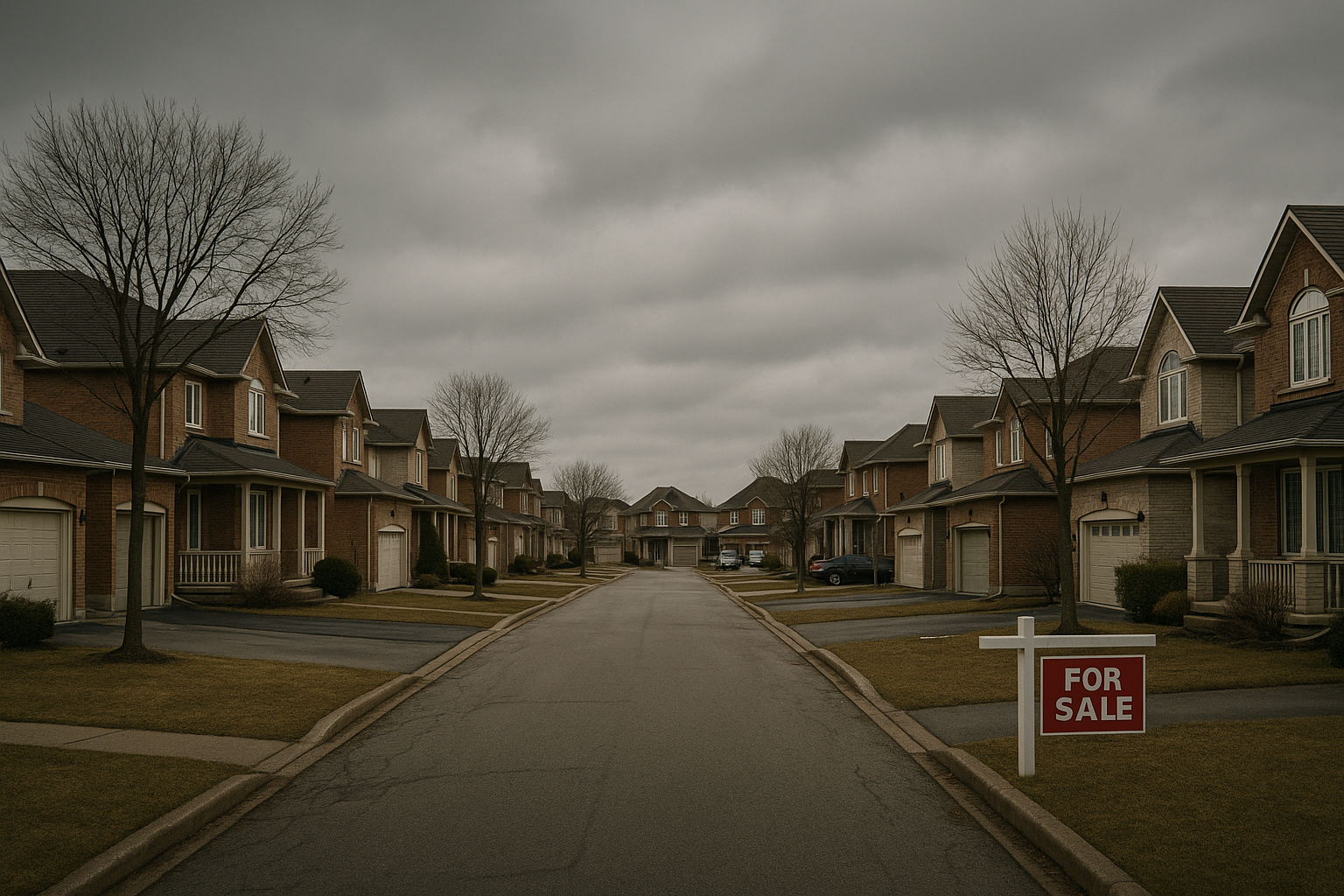
The recent Bank of Canada rate cut has triggered big headlines and fresh optimism in the GTA housing market. But before you make a move, it’s important to understand the bank of canada rate cut trap GTA buyers could be facing in 2024. This article unpacks what’s really happening and guides you through smarter buying decisions.
Why the Bank of Canada Cut Rates—And What That Means for GTA Buyers
In June 2024, the Bank of Canada dropped its key interest rate from 5% to 4.75%. The goal? To ease pressure on Canadian households and re-ignite a sluggish economy. Home buyers in areas like Oakville, Mississauga, and the wider GTA perked up at the news—lower rates usually mean increased borrowing power and smaller monthly payments.
If you already have a variable-rate mortgage, the drop means that more of your payment now goes to your principal, with less burned away by interest. For those looking to buy, it feels like long-awaited relief. But this is where most people stop thinking. They miss the second layer—the market reaction, and how things can turn quickly against buyers lured in by what looks like good news.
The Emotional Trap: From Quiet Markets to Bidding Wars
Until now, the GTA real estate market has been cautious. Lots of listings, fewer offers, and a sense of waiting. The rate cut is the first spark, but the reaction isn’t instant. Most buyers are sitting tight, watching for another cut or more positive signals. And that’s where the danger lies.
Once the wider public believes we’re entering a true rate-cutting cycle, the mood changes fast. The fear of missing out kicks in. Demand surges. That $700,000 house in Oakville or Brampton that sat for weeks now sees multiple offers, pushing the sale price far above asking. Suddenly, so-called “affordable” homes jump 5% overnight as buyers chase lower interest, not realizing how quickly prices can outpace the benefit of a smaller rate.
In real numbers: On a $700,000 home with 20% down and a 25-year amortization, a rate cut from 5.25% to 5% saves about $90 a month. But if prices jump to $735,000 during a rush, you end up with a higher monthly payment—now $3,428—compared to $3,355 before the rate cut and price surge. The so-called savings disappear, replaced by a trap: higher prices, bigger mortgages, and increased financial risk.
Beyond the Headlines: The Bigger Economic Trap
Even if the market doesn’t explode into a frenzy, there’s a second trap. Just because there’s one or two rate cuts doesn’t mean it’s a trend. Canada’s economy is sensitive to outside forces: U.S. trade, global inflation, supply chains. If inflation comes back or world events shift, rate cuts can stop overnight. The Bank could pivot, and we could see rates climb again.
There’s also a gap between what the Bank controls and what affects you as a buyer. Yes, the overnight rate impacts variable mortgages. But fixed-rate mortgages follow bond yields—and those are unpredictable. If bond yields stay high due to global uncertainty, fixed rates may not drop as much as buyers hope. In the GTA, this can leave first-time buyers and upgraders exposed if they lock into new mortgages that stretch their budgets.
For more on market-specific strategy, see Ontario Home Buyer Rebate Guide for programs that may help offset your costs.
How to Avoid the Bank of Canada Rate Cut Trap in the GTA
Trying to “time the market” rarely pays off for GTA buyers. Instead, ask yourself the hard questions:
- What do your personal numbers look like? (Job stability, income, emergency savings.)
- Could you handle a mortgage payment spike if rates rise in a year or two?
- Are you buying because of a real need—or because fear and headlines are pushing you?
If you can’t afford a rate hike comfortably, it doesn’t matter what the market is doing. Don’t get swept up in bidding wars or media hype. Smart buyers act on their own timelines and look for value before the frenzy—or after it fades. Focus on what you can control: your budget, your plan, and your readiness. Be patient. The best deals in areas like Oakville and the wider GTA usually appear before a rush or once the hype settles.
Q&A: Common Questions on the 2024 Rate Cut
Will homes in the GTA actually get cheaper because of a rate cut?
Usually not if demand surges at the same time. Often, lower rates mean higher prices. Waiting for a dramatic drop isn’t realistic in a region with low inventory.
Are variable or fixed rates safer in the current market?
Variable rates follow the Bank of Canada’s changes, but fixed rates hinge on bonds, which may not fall in step. Consider your risk tolerance and household budget.
Should I buy now or wait for more cuts?
Let your own situation—not headlines—guide you. Jumping in simply because rates dropped can backfire if prices surge or market conditions change.
If you want more detail on timing and strategy, my free strategy call helps break down your personal numbers and scenario in detail.
Final Thoughts: Make Smart Moves in the GTA Market
The Bank of Canada’s rate cut offers both opportunity and risk for GTA buyers. It’s tempting to chase lower rates, but don’t ignore how quickly the market can react—and how emotion can drive regrets. Build your plan based on your real numbers and needs, not just hype.
If you’re thinking about buying in Oakville or anywhere in the GTA, local guidance truly matters. For personalized advice, check out the Oakville real estate guide or connect with me as your GTA real estate agent.
You can always book a call for a no-obligation strategy session. Get the facts, avoid the traps, and make the move that fits you—not the headlines.
Key topics: bank of canada rate cut trap gta, oakville real estate, gta real estate, home buying tips, gta housing market, interest rates